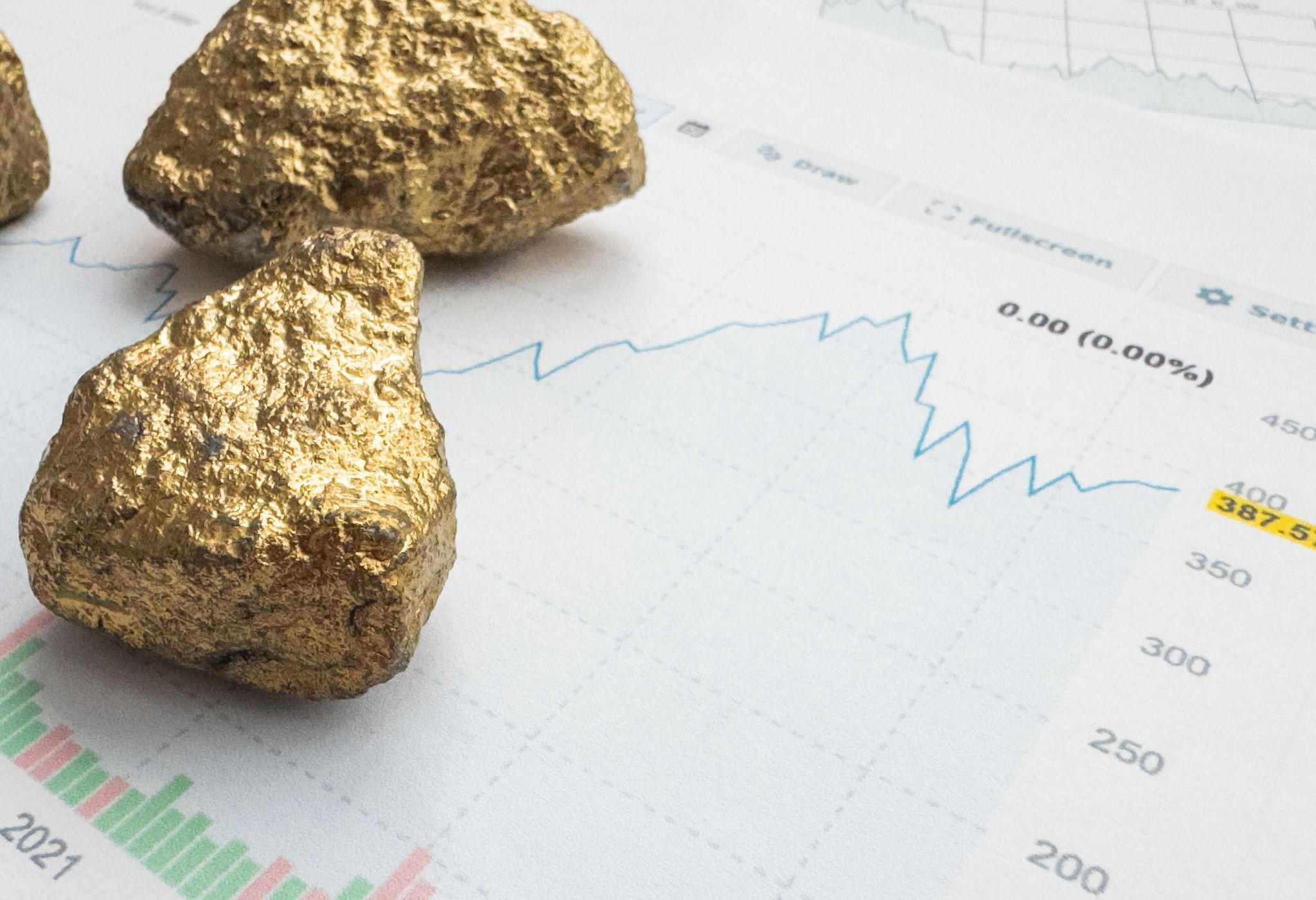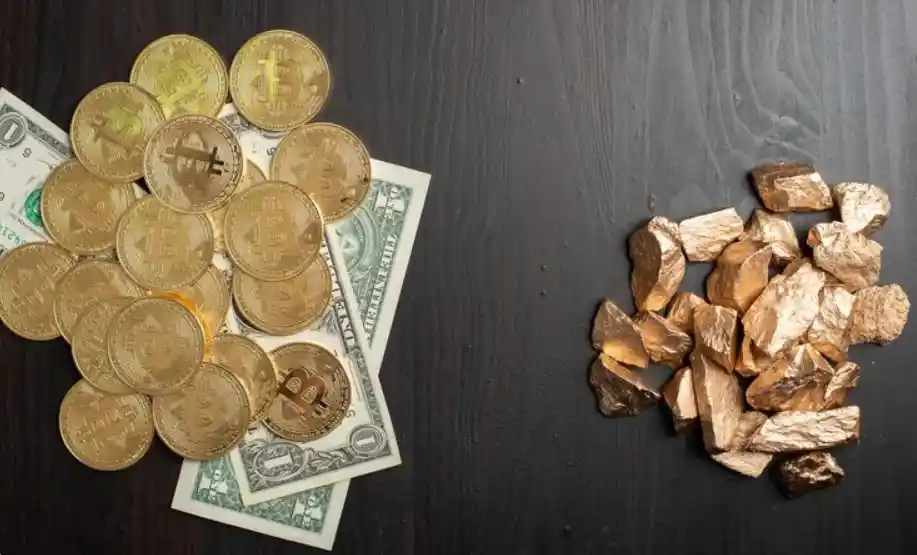

Precious metals have attracted human attention for thousands of years because of their beauty, rarity, and financial value. Gold, silver, platinum, and other valuable metals are not only used for jewelry but also play an important role in industries, technology, and investment markets. Their prices constantly change because of many economic and global factors, but one of the strongest influences is the basic market principle of supply and demand.
When more people want to buy a metal but the available supply remains limited, prices usually rise. On the other hand, when production increases or demand weakens, prices may decline. This simple economic relationship affects investors, businesses, manufacturers, and everyday consumers.
Understanding precious metals prices requires looking beyond daily market movements. Factors such as mining output, global economic conditions, industrial demand, investor confidence, and geopolitical events all influence how these metals are valued.
For example, during periods of economic uncertainty, many investors turn toward gold because it is often viewed as a store of value. This increased demand can push prices higher. Similarly, changes in technology can increase demand for metals like silver and platinum because they are used in electronics and renewable energy systems.
The connection between supply and demand helps explain why precious metals remain important in the global economy and why their prices continue changing over time.
What Makes Precious Metals Valuable in the Global Economy?
Precious metals are valuable because they combine rarity, durability, and practical uses. Unlike many other resources, metals such as gold and platinum cannot be easily created or replaced, which gives them long-term economic importance.
Gold has traditionally been associated with wealth preservation and financial security. Central banks, investors, and individuals often use gold as protection against economic uncertainty. Silver has both investment value and industrial importance because it is widely used in electronics, solar panels, and medical applications.
Platinum and palladium are especially important in automotive and industrial sectors. They are used in technologies that reduce emissions and improve efficiency.
Several factors contribute to the value of precious metals:
- Limited natural availability
- High production costs
- Industrial applications
- Investment demand
- Historical importance as a financial asset
These characteristics make the relationship between supply and demand especially important. Because production cannot increase instantly, sudden changes in demand can strongly influence precious metals prices.
How Supply Affects Precious Metals Prices
Supply refers to the amount of a precious metal available in the market. This includes newly mined metals, recycled materials, and existing reserves held by investors or institutions.
Mining is the primary source of most precious metals, but increasing production is a slow and expensive process. A new mine can take many years to develop because companies must complete exploration, environmental assessments, construction, and regulatory approvals.
When mining production decreases due to operational problems, political issues, or environmental restrictions, available supply can become limited. If demand remains stable or increases, prices often move upward.
For example, if major gold-producing regions experience production challenges, global availability may tighten. Investors may react by purchasing more gold, causing price movements.
However, increased supply can have the opposite effect. When new mining projects increase production, the market may experience greater availability, which can reduce price pressure.
This balance between availability and demand plays a major role in determining precious metals prices.
The Impact of Mining Production on Market Supply
Mining companies have a significant influence on the supply side of precious metals markets. Their production decisions directly affect how much metal enters global circulation.
Mining output depends on several factors, including:
- Availability of mineral deposits
- Energy costs
- Labor conditions
- Government regulations
- Technology improvements
- Global investment in mining projects
When production costs rise, mining companies may reduce operations or delay new projects. This can limit future supply.
On the other hand, advances in mining technology can improve efficiency and increase production capacity.
The supply chain does not end with mining. Refining, transportation, and storage also influence how quickly metals reach the market.
Because supply changes slowly compared with financial markets, even small disruptions can create noticeable effects on precious metals prices.
How Demand Influences Precious Metals Prices
Demand represents how much interest buyers have in purchasing precious metals. Unlike supply, demand can change quickly based on economic conditions, investor behavior, and industrial needs.
Different metals experience demand from different sources. Gold is heavily influenced by investment demand, while silver and platinum are strongly connected to industrial applications.
When economic uncertainty increases, investors often seek assets they believe can protect wealth. This can increase demand for gold and influence market prices.
Industrial growth can also create stronger demand. For example, increased production of solar panels and electronic devices can raise demand for silver.
Consumer preferences also matter. Jewelry demand remains an important factor, especially in countries where gold has cultural and financial significance.
Changes in demand patterns are one of the biggest reasons why precious metals prices experience regular movement.
The Role of Investors in Precious Metals Markets
Investment demand is one of the most powerful influences on precious metal markets. Investors purchase metals directly, through financial products, or through mining companies.
During periods of inflation, economic uncertainty, or market volatility, many investors consider precious metals a safer option compared with some other assets.
Gold especially has a reputation as a “safe haven” asset because it often maintains value during financial instability.
Investment demand can change rapidly. A sudden increase in buying activity can create upward pressure on prices, while reduced interest can weaken demand.
Exchange-traded funds, institutional investors, and individual buyers all contribute to market movements.
Because investor psychology plays such a major role, precious metals prices are influenced not only by physical supply and demand but also by expectations about future economic conditions.
Industrial Demand and Its Effect on Metal Prices
Precious metals are not only investment assets; they are also essential industrial materials. Modern industries rely on these metals for technology, energy, healthcare, and manufacturing.
Silver is widely used because it conducts electricity efficiently. It plays an important role in electronics, batteries, and renewable energy technology.
Platinum is valuable because of its unique chemical properties and is used in automotive systems and industrial processes.
As technology advances, new applications can create additional demand. For example, growth in clean energy solutions has increased interest in metals needed for advanced technologies.
Industrial expansion can therefore influence market conditions and contribute to changes in precious metals prices.
How Economic Conditions Change Precious Metals Demand
Economic conditions strongly influence investor behavior and consumer decisions. Inflation, interest rates, currency changes, and economic growth all affect precious metal markets.
During inflationary periods, people often look for assets that may preserve purchasing power. This can increase demand for gold and other precious metals.
Interest rates also matter. When traditional investments become less attractive, investors may shift toward alternative assets.
Currency movements, especially changes in the value of major currencies, can affect international precious metal trading.
A weaker currency can make metals cheaper for international buyers, potentially increasing demand.
These economic relationships demonstrate why precious metals prices respond to broader financial trends.
Geopolitical Events and Market Uncertainty
Global events can create sudden changes in precious metal markets. Political conflicts, trade issues, and economic instability often increase uncertainty among investors.
During uncertain periods, many investors seek assets they consider reliable. This behavior can increase demand for gold and other precious metals.
Supply can also be affected by geopolitical issues. Mining regions may face disruptions due to political instability, transportation challenges, or regulatory changes.
Because precious metals are traded globally, events in one region can influence markets worldwide.
This connection between global events and market reactions explains why precious metals prices can change quickly.
The Importance of Recycling in Precious Metal Supply
Recycling plays an important role in maintaining the supply of precious metals. Unlike newly mined materials, recycled metals can return to the market more quickly.
Gold recycling from jewelry, electronics, and industrial materials contributes a significant portion of available supply.
When mining production is limited, recycling can help reduce pressure on markets.
However, recycling levels depend on metal prices. When prices rise, more people may choose to sell unused jewelry or recover metals from products.
This creates a relationship between market prices and available supply.
Recycling is becoming increasingly important as industries focus on sustainability and resource efficiency.
How Technology and Future Trends May Influence Precious Metals
Technology continues changing the role of precious metals in modern society. New industries create new demand patterns that influence future markets.
Renewable energy, electric vehicles, and advanced electronics are expected to increase demand for certain metals.
At the same time, improvements in recycling and mining technology may influence future supply.
Investors and businesses increasingly analyze these trends when making decisions.
Understanding future developments helps explain potential changes in precious metals prices and market behavior.
How Consumers and Investors Can Understand Market Changes
For individuals interested in buying precious metals, understanding supply and demand provides valuable insight. Prices are influenced by many connected factors rather than a single cause.
Important factors to monitor include:
- Global economic conditions
- Mining production reports
- Industrial demand trends
- Investment activity
- Currency movements
Market research and professional analysis can help people make more informed decisions.
Precious metals remain complex markets, but understanding basic economic principles makes price movements easier to interpret.
Conclusion: Why Supply and Demand Remain the Key Drivers
Supply and demand are the foundation of precious metal markets. Limited availability combined with strong demand can increase prices, while higher supply or weaker demand can create downward pressure.
Mining production, industrial needs, investor behavior, economic conditions, and global events all influence market balance.
The value of precious metals comes from their unique combination of rarity, usefulness, and financial importance.
By understanding these factors, investors and consumers can better understand why precious metals prices change and what drives market movements.
As global economies continue evolving, supply and demand will remain the most important forces shaping the future of precious metal markets.
Frequently Asked Questions
Why do supply and demand affect precious metals prices?
Supply and demand influence precious metals prices because limited availability with high buyer interest increases competition among buyers. When supply grows faster than demand, prices may decrease due to greater market availability.
Which precious metal is most affected by investment demand?
Gold is usually most influenced by investment demand because many investors consider it a safe asset during economic uncertainty, inflation, and financial market instability.
Can mining production lower precious metals prices?
Yes, increased mining production can increase market supply. If demand does not grow at the same pace, the additional availability may reduce price pressure.
Does industrial demand influence gold and silver prices?
Industrial demand has a stronger impact on metals like silver and platinum. Growing technology and renewable energy industries can increase demand and influence market prices.
Are precious metals prices predictable?
Precious metals prices are influenced by many factors, including supply, demand, economics, and global events. While trends can be analyzed, exact future price movements are difficult to predict.