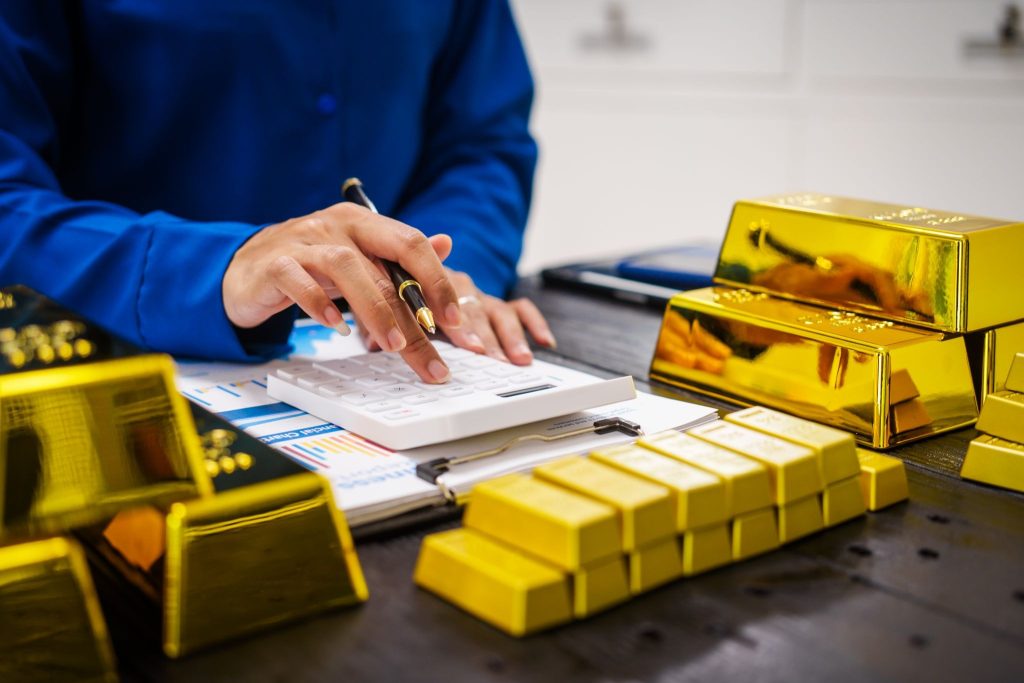
Precious metals have always held a significant position in the economy. Their appeal stems from their tangible nature and historical value as stores of wealth. Knowing how precious metals prices are determined is essential for investors and anyone interested in these valuable resources. This article will explore the factors influencing precious metals prices, focusing on economic trends, supply and demand dynamics, geopolitical influences, and more.
Economic Factors Influencing Precious Metals Prices
The economy plays a crucial role in determining precious metals prices. One of the most impactful factors is inflation. When inflation rises, the purchasing power of currency decreases. Investors often turn to precious metals as a hedge against inflation, driving up demand and, consequently, prices. For example, during periods of high inflation, gold and silver prices typically rise as people seek to protect their wealth. Conversely, in times of deflation, demand for these metals can drop, leading to lower prices.
The Role of Central Banks
Central banks significantly manage inflation and interest rates. Their policies can influence market expectations and investor behavior regarding precious metals. When central banks signal their intent to keep interest rates low, it often encourages investment in precious metals, leading to price increases.
Historical Context of Inflation
Historical data show that during significant inflationary periods, such as the 1970s, gold prices surged. This context provides valuable insights into how current trends could impact precious metals prices.
Interest rates also significantly affect precious metals prices. When central banks adjust rates, it can influence investor behavior. Lower interest rates tend to weaken the dollar and increase the appeal of non-yielding assets like gold and silver. Conversely, when interest rates rise, the opportunity cost of holding precious metals increases. Investors may prefer to invest in interest-bearing assets, leading to a decrease in prices.
Interest Rate Trends
Monitoring interest rate trends is crucial for investors. When rates are expected to rise, it can lead to short-term declines in precious metals prices as investors shift their focus to interest-bearing investments.
Long-term Effects of Monetary Policy
Understanding how monetary policy changes affect precious metals prices can help investors make informed decisions. For instance, an extended period of low rates often leads to higher prices, as seen in the years following the 2008 financial crisis.
The strength of the U.S. dollar is another critical factor. Precious metals are often priced in dollars, so when the dollar strengthens, it makes gold and silver more expensive for buyers using other currencies. This dynamic can lead to decreased demand and lower prices. Conversely, a weaker dollar can increase demand for precious metals, pushing prices higher.
Supply and Demand Dynamics
Supply and demand govern market prices, and the precious metals market is no exception. Mining production levels are key to supply. When mines produce more gold or silver, it can lead to lower prices if demand does not keep pace. Conversely, if production falls due to operational challenges or lower ore grades, this can create scarcity and push prices up.
Production Challenges
Production challenges in mining can arise from various factors, including geological difficulties, regulatory changes, and labor strikes, which can impact the ability of mines to deliver precious metals consistently.
Exploration and New Discoveries
The exploration of new mining sites is crucial for maintaining supply levels. Discoveries of new deposits can alleviate concerns about scarcity and stabilize prices, making it essential for mining companies to invest in exploration.
Mining costs also play a role in supply dynamics. Rising costs for energy, labor, and materials can affect the profitability of mining operations. When costs increase significantly, some mines may reduce production or close altogether. This reduction can lead to higher precious metals prices as the market adjusts to the new reality.
Impact of Energy Prices
Energy prices directly affect mining operations. When oil and electricity costs rise, mining becomes more expensive, which can lead to reduced output and ultimately push prices higher.
Labor Market Influence
Labor costs are another critical factor. If labor costs increase due to shortages or strikes, mining companies may face pressure to cut back on production, affecting overall supply and prices.
On the demand side, industrial applications are increasingly important. Silver, for example, is widely used in electronics and renewable energy technologies. As industries evolve and demand for these metals grows, prices can be affected. Similarly, gold is often sought after for electronics and medical devices. Keeping an eye on trends in these sectors can provide valuable insights into potential shifts in precious metals prices.
Geopolitical Influences and Market Sentiment
Geopolitical factors can dramatically impact precious metals prices. Political stability, conflict, and uncertainty often lead investors to seek safe-haven assets like gold and silver. During crises, whether natural disasters or political unrest, precious metals prices often rise as investors flock to security. Historical events, such as wars or economic sanctions, show how quickly market sentiment can shift in response to global events.
Historical Precedents
Examining historical precedents illustrates how geopolitical tensions have influenced precious metals prices. For example, gold prices surged during the Gulf War as investors sought refuge from uncertainty.
Current Events and Market Reactions
Staying updated on current events is vital for investors. Understanding how markets react to geopolitical developments can provide insights into potential price movements in precious metals.
Market speculation also plays a role in shaping prices. When investors feel uncertain about the economy, they may buy precious metals as a protective measure. This increased demand can push prices higher. Conversely, if investors become overly optimistic about the economy, they may sell off precious metals, leading to a decline in prices. Media influences market sentiment, often amplifying fears or expectations of economic downturns, leading to price volatility.
Technological Trends and Innovations
Advancements in technology are shaping the precious metals market. Innovations in mining and processing can significantly impact supply levels. For instance, improved extraction techniques can make previously unprofitable mines viable. As mining becomes more efficient, the increased supply can affect prices by making precious metals more accessible.
New Mining Technologies
Exploring new mining technologies can enhance efficiency and lower costs. These advancements can help maintain stable prices by ensuring a steady supply of precious metals.
Recycling Precious Metals
Recycling precious metals has also gained importance. As technology improves, recovering precious metals from electronic waste has become more feasible. This growing source of supply can help meet demand without the need for new mining operations, potentially stabilizing prices.
Environmental and Regulatory Factors
Environmental concerns and regulations are becoming more significant in the mining industry. As public awareness of environmental issues grows, mining companies face increasing pressure to adopt sustainable practices. This shift can lead to higher operating costs, which can affect precious metals prices. Investors may favor companies that prioritize sustainability, potentially shifting demand in the market.
Regulations Impacting Mining Operations
New regulations can create challenges for mining operations. Companies must comply with environmental standards, which may increase costs and limit production, affecting supply and prices.
International Trade Relations
International trade relations can influence precious metals prices. As countries negotiate trade agreements, shifts in policy can create volatility in the market, impacting pricing strategies.
Future Outlook for Precious Metals Prices
Looking ahead, the future of precious metals prices will be shaped by several emerging trends. One significant factor is the growing demand in emerging markets. Countries like India and China continue to see rising middle classes, which can drive increased consumption of precious metals. As these economies expand, the demand for gold and silver in jewelry and investment could rise, potentially pushing prices higher.
Long-term Projections
Long-term projections for precious metals prices will depend on various factors, including economic growth in emerging markets and shifts in global demand. Staying informed about these trends can guide investment decisions.
Investors should consider diversifying their portfolios to include precious metals. These assets can provide a buffer during economic downturns and protect against inflation. Staying informed about market trends and economic indicators will help investors make the most of their precious metal investments.
Conclusion
Understanding what determines precious metals prices in global markets requires looking at a range of factors. Economic trends, supply and demand dynamics, geopolitical influences, technological advancements, and environmental considerations all play a role. As the landscape continues to evolve, staying informed will be essential for anyone involved in precious metals investing. By recognizing these factors, investors can make better decisions and navigate the complexities of this valuable market.
FAQs
1. What influences precious metals prices the most?
Precious metals prices are influenced by economic factors like inflation, interest rates, and currency strength, as well as supply and demand dynamics.
2. How does inflation affect precious metals prices?
Inflation typically drives up precious metals prices as investors seek to protect their wealth against the declining purchasing power of currency.
3. What role does geopolitical stability play in precious metals pricing?
Geopolitical stability affects precious metals prices significantly. During times of uncertainty or conflict, demand for safe-haven assets like gold and silver increases.
4. How do mining costs impact precious metals supply?
Rising mining costs can lead to reduced production, which decreases supply. This scarcity often results in higher prices for precious metals.
5. Are emerging markets important for future precious metals demand?
Yes, emerging markets like India and China are increasingly important for precious metals demand, particularly in jewelry and investment sectors, driving future price growth.