
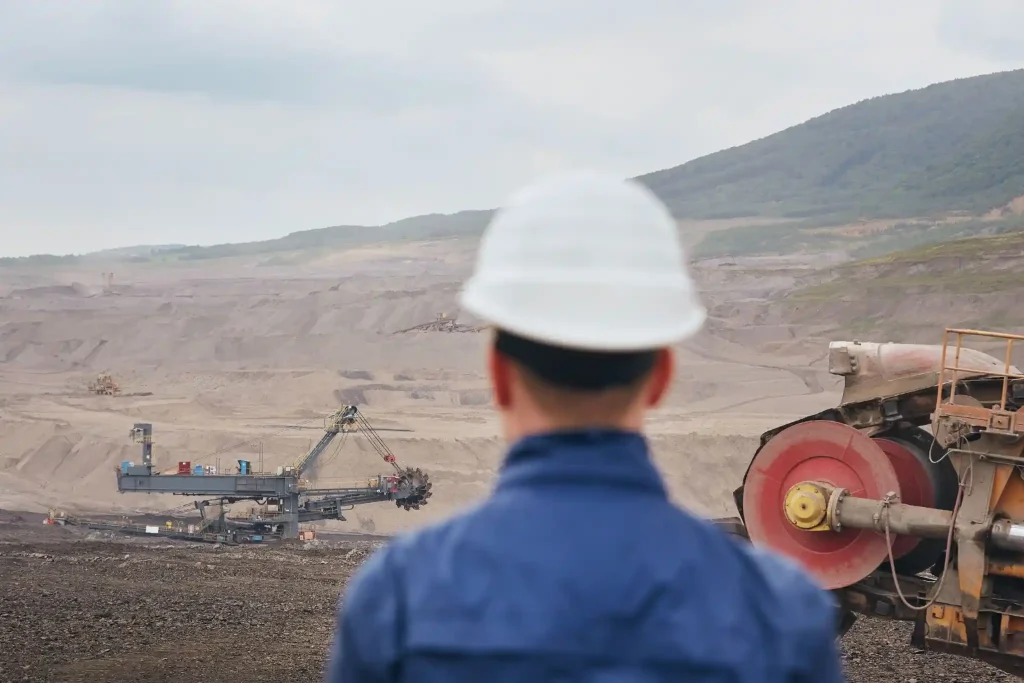
Investing in mining stocks is part science and part judgment. Markets move with commodity cycles, politics, and project news. That makes careful analysis essential when selecting mining stocks.
When I started following miners, I learned quickly that surface metrics mislead. A rising metal price can hide weak assets and sloppy management. Over time, I focused on a structured checklist that balances technical detail with financial reality when selecting mining stocks. This article walks through that checklist. It is written for investors who already know the basics and want a rigorous approach.
Investment Thesis and Strategy Alignment
Your investment horizon shapes every choice you make when selecting mining stocks. Short-term traders may profit from cyclical moves, while long-term holders need assets that survive multiple cycles. Define whether you seek steady cash flow or asymmetric upside from exploration before committing capital.
Allocation matters as much as selection. Core producers tend to offer more predictable cash flow and lower volatility. Exploration plays can deliver large gains but often require repeated funding and patience. Matching exposure to your risk tolerance helps you stick to the plan through volatile patches when selecting mining stocks.
A clear thesis also sets exit rules. Know the milestones that will increase or reduce your position. That clarity prevents emotion-driven trades during rallies or drawdowns and improves overall outcomes when selecting mining stocks.
Commodity Fundamentals and Market Dynamics
Understanding the supply and demand drivers of a metal is the foundation for valuing miners. Supply comes from operating mines, projects in development, recycling, and marginal sources that respond to price changes. Demand shifts with technology, industrial cycles, and government policy. For example, copper demand reflects electrification trends, while nickel underpins battery chemistry choices.
Macro dynamics matter for timing and valuation. Inventories, trade flows, and substitution effects influence near-term price moves. Longer-term structural deficits or surpluses shape strategic positions. Combine commodity analysis with company-specific work to avoid buying a weak asset at a peak when selecting mining stocks.
Market psychology amplifies moves. News about a new mine, a strike, or a regulation change can swing sentiment quickly. Avoid making decisions based only on headlines. Instead, let solid commodity and company analysis guide your positions when selecting mining stocks.
Company Fundamentals and Financial Health
A miner’s balance sheet can be the difference between survival and distress during a downturn. Look for sufficient liquidity, manageable debt levels, and realistic capital plans. Consistent positive operating cash flow indicates operational strength. Free cash flow after sustaining capital expenditure reveals true capacity to pay dividends, cut debt, or pursue growth.
Cost structure drives profitability. Metrics such as all-in sustaining cost provide insight into competitive position. Model production and costs under multiple price scenarios to see how margins evolve. Companies that can generate acceptable returns across a range of prices are easier to own long-term when selecting mining stocks.
Pay attention to capital allocation. Management that reinvests prudently, avoids value-destructive acquisitions, and returns surplus cash to shareholders tends to outperform. Insider ownership aligned with shareholder returns signals alignment of incentives. Governance and capital discipline matter as much as resource quality when selecting mining stocks.
Asset Quality and Mine Level Metrics
Not all resources are equal. Ore grade, metallurgical recovery, and strip ratio are physical realities that determine unit costs. Higher grade deposits and efficient processing translate into lower per unit costs and better margins. Classify resources correctly and prefer measured and indicated categories when forecasting production.
My life shapes valuation. Short-life operations create cliff risks while long-life projects offer strategic value. Consider infrastructure needs such as power, water, and logistics. Remote assets with high capital intensity require careful stress testing. Always normalize asset metrics across a production profile rather than relying on a single year snapshot when selecting mining stocks.
Reserve reliability matters because it underpins cash flow forecasts. Independent technical reports provide the best starting point for understanding geology and recovery assumptions. Do not accept optimistic recovery or cost assumptions without scrutiny. Real-world outcomes often differ from feasibility level models when selecting mining stocks.
Management, Governance, and Capital Allocation
The track record of the leadership team gives you insight into future execution. Successful project delivery and a history of meeting guidance are strong signals. Conversely, a history of repeated capital raises and missed timelines is a warning sign. Look for managers who communicate clearly and take responsibility when targets slip.
Board structure and corporate governance influence long-term outcomes. Independent directors, reasonable executive compensation structures, and transparency in reporting reduce tail risk. Related party transactions and excessive dilution signal potential conflicts. Good governance reduces the chance that corporate decisions will erode shareholder value when selecting mining stocks.
Capital allocation tells the story of priorities. Management that prioritizes debt reduction and returns to shareholders over risky expansion tends to preserve value. Watch how companies deploy cash during the upswing and downturn phases of cycles to see the real alignment of incentives when selecting mining stocks.
Operational Risks and Technical Considerations
Operational execution is where the value is either created or destroyed. Delays, unforeseen geology, metallurgical issues, and equipment failures can turn a promising project into a financial burden. Historical operating performance provides clues about a company’s ability to execute repeatable production targets.
Health, safety, and environmental performance are practical indicators of operational competence. Companies with strong safety records tend to manage assets better and avoid costly stoppages. Tailings management and water use history are important indicators that can have long-term financial consequences. Operational discipline reduces the chance of ugly surprises when selecting mining stocks.
Jurisdictional and ESG Risk Assessment
Where a mine is located affects everything from permitting timelines to taxation and community relations. Jurisdictions with clear rules and stable institutions reduce the probability of abrupt policy changes. Community relationships, including indigenous rights, require long-term, respectful engagement and often determine whether a project proceeds.
Environmental liabilities and transition risks are financial realities. Tailings failures and water contamination lead to large clean up costs and reputational damage. Climate policies can change the economics of certain commodities. A company with a solid environmental, social, and governance profile is easier to hold and has fewer regulatory surprises when selecting mining stocks.
Valuation, Catalysts, and Risk Management
Valuation needs to reflect the asset type. Net asset value models work well for producing companies because cash flows are more measurable. For exploration, name scenario analysis, and probability-adjusted outcomes make more sense. Peer benchmarking with metrics such as enterprise value per ounce provides quick context.
Map catalysts and timelines. Production ramps, feasibility studies, and financing events often drive re-ratings. Understand event risk and the sequencing of milestones. Position sizing should reflect both conviction and liquidity. Use stop loss rules and consider modest hedging for short-term cash flow exposure to manage downside when selecting mining stocks.
Due Diligence Workflow and Practical Steps
Start with technical reports and financial filings. Supplement that with management calls and, if feasible, site visits. Cross-check assumptions about recoveries, costs, and capital estimates across multiple sources to reduce model risk. Build a red flag list and escalate issues that remain unresolved before increasing position size.
Turn analysis into action by maintaining a monitoring cadence. Review production, costs, capital spending, and permitting milestones monthly. Update scenarios as new information arrives. The best investors treat due diligence as ongoing work rather than a one-time exercise when selecting mining stocks.
Conclusion
Selecting mining stocks is a practice that blends geology, finance, and judgment. A clear thesis, deep company work, asset-level scrutiny, and disciplined risk management improve the odds of success. Focus on quality assets in sound jurisdictions, insist on financial prudence, and watch management’s track record. Do that, and the odds of building a resilient mining portfolio rise substantially when selecting mining stocks.
FAQs
1. What are the first steps when selecting mining stocks?
Start by defining your time horizon and risk tolerance. Then assess commodity fundamentals, company balance sheet, asset quality, and management credibility to form a base case.
2. How do I evaluate a miner’s cost position when selecting mining stocks?
Use all in sustaining cost and cash cost per ounce or tonne as primary metrics. Model costs across price scenarios to test resilience and margin sustainability.
3. When should I increase exposure during a miner’s development timeline?
Increase exposure after technical risks are resolved, feasibility studies support economics, and financing is secured. Milestone-driven scaling reduces downside risk.
4. How do jurisdictional risks affect returns when selecting mining stocks?
Jurisdictional risk alters permitting speed, taxation, and legal recourse. Stable jurisdictions reduce abrupt policy shifts and lower the risk of expropriation or permit denial.
5. What is the role of ESG in modern mining investment decisions?
ESG issues influence permitting, financing, and long-term costs. Strong ESG practices reduce regulatory and reputational risks, improving the probability of project success.