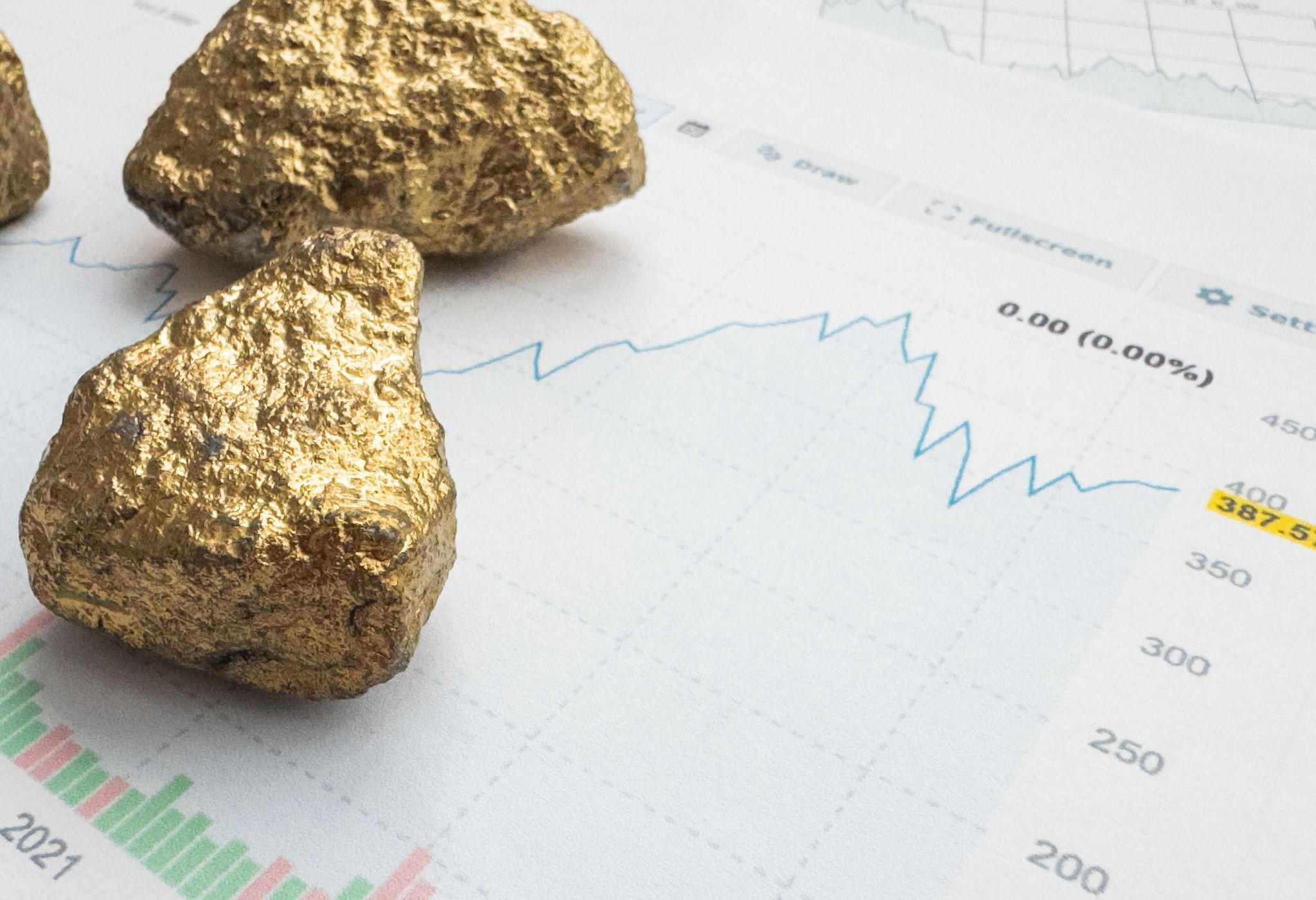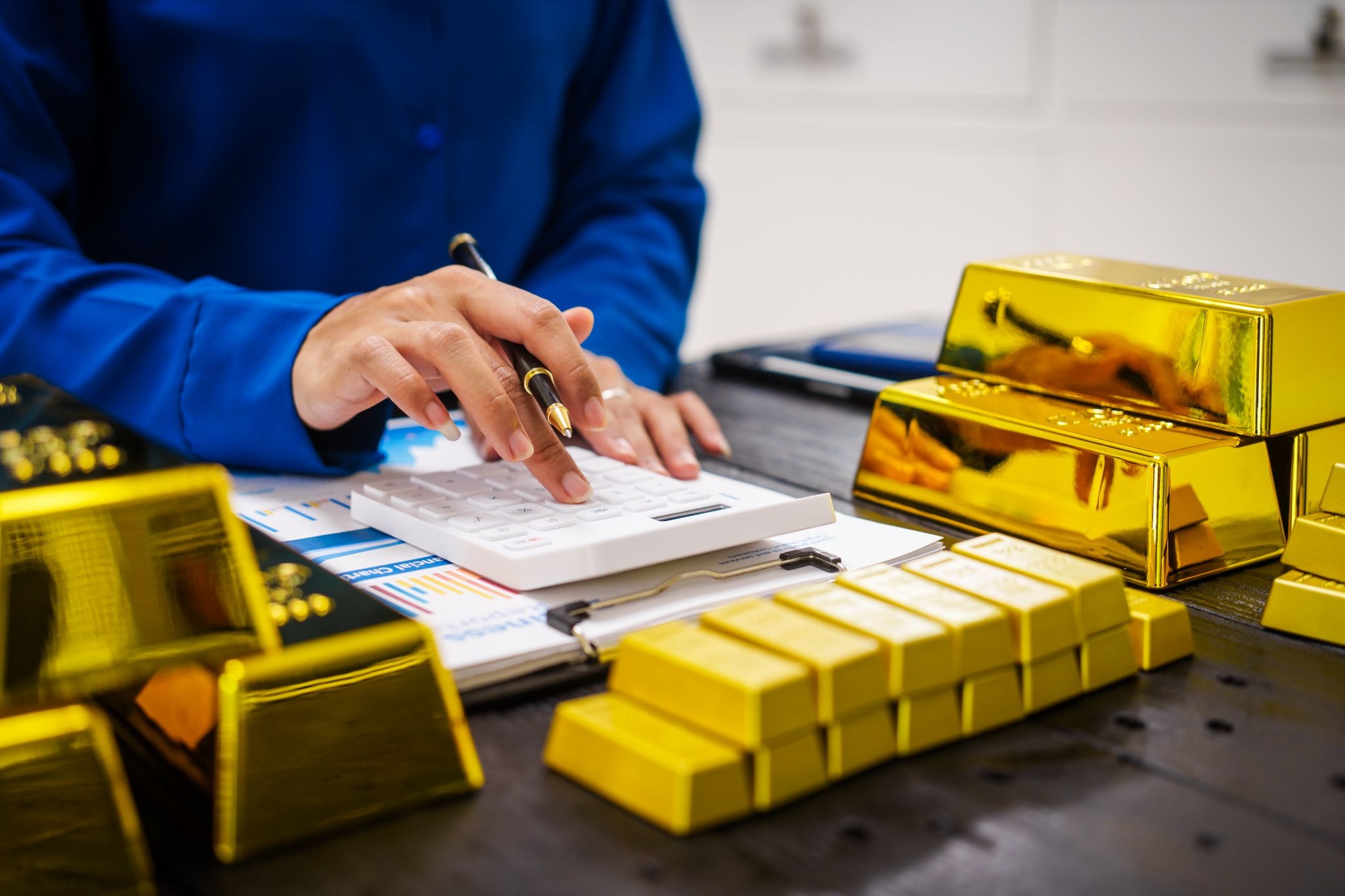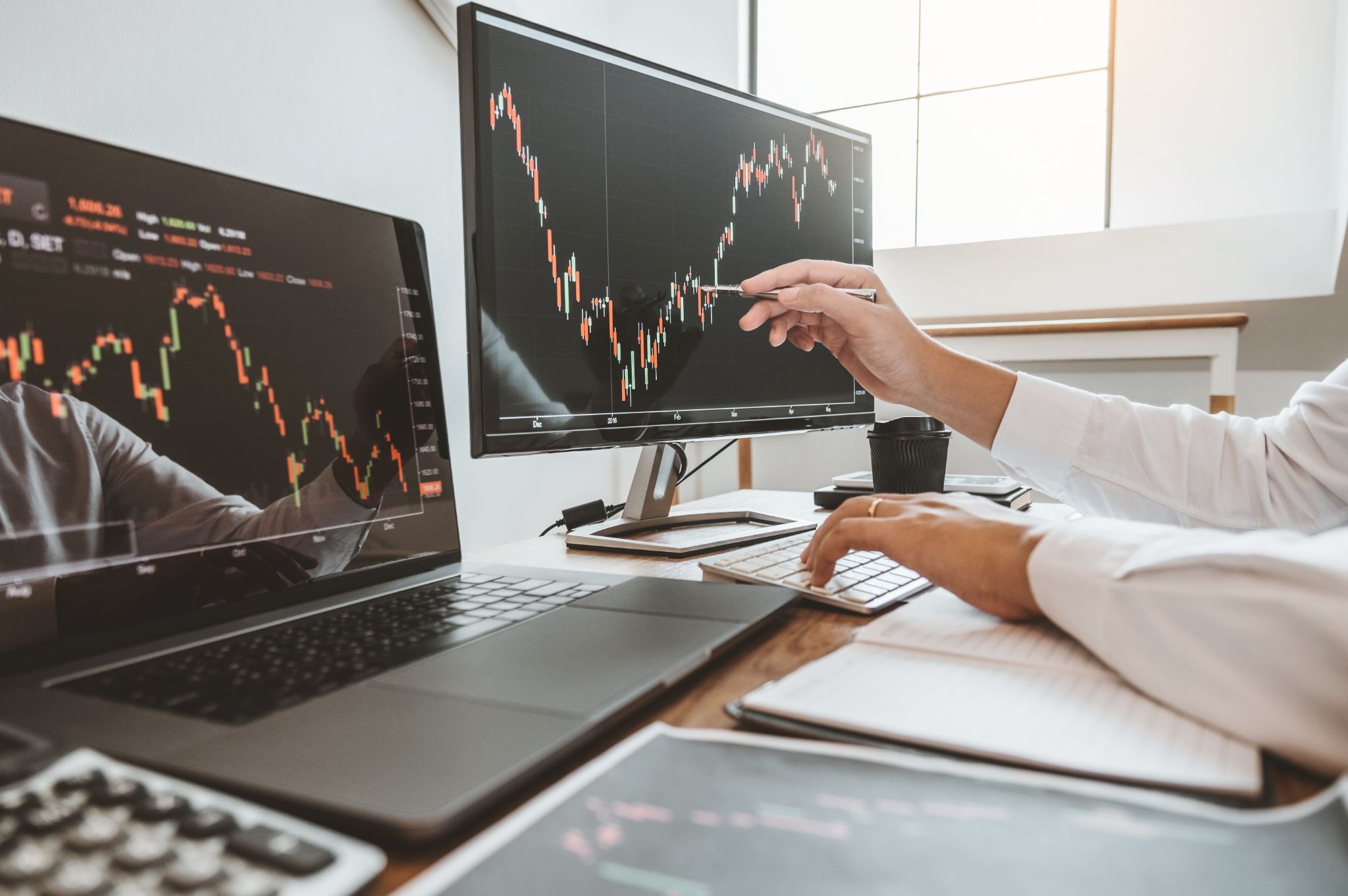

Investors have relied on precious metals for centuries to preserve wealth, hedge against uncertainty, and diversify financial portfolios. While stocks, bonds, and real estate often dominate investment discussions, precious metals continue to hold a unique place in long-term wealth-building strategies. Their intrinsic value, limited supply, and global recognition make them attractive assets during both stable and turbulent economic periods.
However, not all precious metals offer the same opportunities. Gold, silver, platinum, and palladium each have distinct characteristics, demand drivers, and risk profiles. Understanding these differences is essential for making informed investment decisions.
A successful precious metals investment strategy goes beyond simply purchasing bullion and waiting for prices to rise. Investors must evaluate economic trends, industrial demand, market cycles, and portfolio objectives to determine which metals align with their long-term goals.
Understanding the Role of Precious Metals in Wealth Preservation
Precious metals have historically served as stores of value during periods of inflation, currency weakness, and financial uncertainty. Unlike paper assets, physical metals possess tangible value that is not dependent on corporate earnings, government policies, or the performance of financial institutions.
This characteristic makes precious metals particularly appealing during times of economic instability. When investors lose confidence in traditional markets, capital often flows into hard assets that are perceived as safer alternatives.
Another advantage is diversification. Precious metals frequently behave differently from stocks and bonds. This can help reduce overall portfolio volatility and improve risk-adjusted returns over the long term.
For many investors, precious metals are not intended to replace traditional investments. Instead, they serve as complementary assets that strengthen portfolio resilience.
Key Factors That Influence Precious Metals Investment Performance
Supply Constraints and Mining Production
Supply plays a critical role in determining the value of precious metals. Unlike currencies that can be created through monetary policy, precious metals require extensive exploration, extraction, and refining.
Mining projects often take years to develop. Environmental regulations, geopolitical challenges, labor disputes, and rising production costs can limit supply growth. When demand increases while supply remains constrained, prices often rise.
Investors should pay attention to major producing regions because disruptions in key mining countries can significantly affect global markets.
Inflation, Interest Rates, and Currency Movements
Inflation remains one of the most important drivers of precious metals investment demand. When purchasing power declines, investors frequently seek assets that can maintain value over time.
Interest rates also influence market behavior. Higher rates can increase the appeal of income-generating assets, while lower rates often support precious metals because the opportunity cost of holding non-yielding assets decreases.
Currency strength matters as well. Precious metals are commonly priced in U.S. dollars. A weaker dollar can support metal prices, while a stronger dollar may create downward pressure.
Industrial Demand Versus Investment Demand
Different metals derive value from different sources of demand. Gold is primarily influenced by investment and central bank purchases. Silver, platinum, and palladium depend more heavily on industrial applications.
This distinction affects price behavior. Metals with strong industrial demand may benefit from technological growth and manufacturing expansion. However, they can also experience greater volatility during economic slowdowns.
Understanding demand composition helps investors evaluate long-term opportunities more effectively.
Gold as a Long-Term Store of Value
Gold remains the cornerstone of many precious metals portfolios. Its reputation as a safe-haven asset has been built over thousands of years.
One of gold’s greatest strengths is its ability to preserve purchasing power during periods of inflation and financial uncertainty. Central banks continue to hold significant gold reserves, reinforcing its status as a globally recognized store of value.
Gold also benefits from strong liquidity. Investors can buy and sell gold in virtually every major financial market worldwide. This accessibility contributes to its long-term appeal.
Another advantage is stability. While gold prices fluctuate, gold generally experiences less volatility than many other precious metals. This makes it attractive for conservative investors seeking wealth preservation.
However, gold is not without limitations. Because it generates no income, returns depend entirely on price appreciation. During periods of strong economic growth and rising interest rates, gold may underperform other investments.
Despite these challenges, gold remains one of the most reliable long-term precious metals investments available.
Silver’s Unique Position in Investment Markets
Silver occupies a distinctive position because it combines monetary value with extensive industrial utility.
Investors often view silver as a more affordable alternative to gold. This lower entry cost attracts a broader range of buyers and can increase participation during bullish market conditions.
Industrial demand is a major factor supporting silver prices. Solar panels, electronics, medical devices, and advanced manufacturing processes all require silver. As technology adoption expands globally, demand may continue to increase.
Silver’s dual role creates both opportunities and challenges. During periods of economic growth, industrial demand can drive strong price appreciation. However, economic contractions may reduce industrial consumption and increase volatility.
For long-term investors, silver offers growth potential that may exceed gold during certain market cycles. The trade-off is greater price fluctuation and higher short-term risk.
Platinum’s Investment Potential Beyond Traditional Markets
Platinum has historically traded at premium prices relative to gold due to its rarity and industrial importance. While market dynamics have changed over time, platinum remains a compelling investment opportunity.
The automotive industry represents one of platinum’s primary demand sources. Platinum is widely used in emissions-control technologies and industrial catalysts.
Supply limitations strengthen platinum’s investment case. Production is concentrated in a small number of regions, making the market vulnerable to disruptions. Any significant supply constraint can have a meaningful impact on prices.
Platinum also benefits from emerging technologies, including hydrogen fuel systems and advanced industrial applications. These developments may support future demand growth.
Investors considering platinum should recognize its cyclical nature. Industrial demand can create substantial upside potential, but economic slowdowns may lead to periods of weakness.
Evaluating Palladium as a Strategic Asset
Market Drivers Supporting Palladium Demand
Palladium has attracted considerable attention due to its role in automotive emissions-control systems. Regulatory requirements have increased demand in many regions, supporting strong price performance during certain periods.
Industrial demand remains the primary force behind palladium pricing. This differentiates it from gold and creates unique investment dynamics.
Supply Concentration and Price Volatility
Palladium supply is highly concentrated geographically. This concentration introduces geopolitical and operational risks that can significantly affect market conditions.
Limited supply flexibility often contributes to sharp price movements. When demand exceeds available production, prices can rise rapidly.
However, the same factors that create upside potential can also increase downside risk.
Long-Term Risks and Opportunities
Technological changes represent both opportunities and challenges for palladium investors. Evolving automotive technologies and shifts in manufacturing practices may influence future demand patterns.
Long-term investors should monitor industry developments closely and avoid assuming that past performance guarantees future results.
Comparing Precious Metals for Different Investment Objectives
Different metals serve different purposes within a portfolio. Gold typically appeals to investors focused on wealth preservation and risk management. Silver often attracts those seeking higher growth potential. Platinum and palladium may offer opportunities tied to industrial innovation and supply constraints.
Volatility varies significantly across metals. Gold generally exhibits the greatest stability, while silver, platinum, and palladium can experience larger price swings.
Liquidity also differs. Gold markets tend to be the deepest and most accessible, making transactions easier during changing market conditions.
Rather than searching for a single best option, investors should consider how each metal contributes to broader financial objectives.
Physical Metals vs. Financial Precious Metal Investments
Investors can gain exposure to precious metals through several methods. Physical ownership remains the most direct approach. Coins, bars, and bullion provide tangible assets that can be held independently of financial institutions.
Physical ownership offers peace of mind but introduces storage, insurance, and security considerations. These costs should be factored into long-term return expectations.
Exchange-traded funds provide convenient exposure without the logistical challenges of physical storage. They offer liquidity and ease of trading but may not provide the same sense of direct ownership.
Mining stocks represent another alternative. These investments can benefit from rising metal prices while offering leverage to operational performance. However, company-specific risks add complexity.
Each approach has advantages and disadvantages. The appropriate choice depends on investment goals, risk tolerance, and personal preferences.
Building a Diversified Precious Metals Investment Strategy
Diversification remains one of the most effective risk management tools available to investors. Concentrating exclusively on a single metal increases exposure to market-specific risks.
A diversified precious metals allocation may combine gold’s stability with silver’s growth potential and the industrial opportunities associated with platinum or palladium.
Allocation percentages should reflect overall financial objectives. Conservative investors may emphasize gold, while growth-oriented investors may allocate more capital to industrial metals.
Regular portfolio reviews are important. Market conditions evolve, and investment allocations may require adjustments to maintain alignment with long-term goals.
Diversification within precious metals should complement diversification across other asset classes rather than replace it.
Common Mistakes Investors Make When Buying Precious Metals
One of the most common mistakes is chasing momentum after prices have already risen substantially. Emotional decision-making often leads to poor entry points and disappointing outcomes.
Another mistake involves ignoring total ownership costs. Storage fees, insurance expenses, transaction premiums, and taxes can affect long-term returns.
Some investors also concentrate too heavily in a single metal based on recent performance trends. While strong returns can be appealing, excessive concentration increases vulnerability to market shifts.
Successful investors focus on disciplined strategies rather than short-term speculation. Patience often produces better results than frequent trading.
Global Economic Trends Shaping Future Demand
Technological Innovation and Industrial Consumption
Emerging technologies are reshaping demand patterns across multiple precious metals markets. Renewable energy systems, advanced electronics, and industrial automation require specialized materials that include silver, platinum, and palladium.
As innovation accelerates, industrial demand could become an increasingly important driver of long-term price performance.
Central Bank Activity and Reserve Management
Central banks remain significant participants in gold markets. Reserve diversification efforts and changing geopolitical relationships continue to influence purchasing decisions.
Strong institutional demand can provide long-term support for gold prices and reinforce its role as a strategic asset.
Geopolitical Uncertainty and Safe-Haven Demand
Political instability, trade disputes, and economic uncertainty frequently increase interest in precious metals. Investors often seek assets that can preserve value during periods of heightened risk.
While no investment is immune to market fluctuations, precious metals have historically benefited from uncertainty-driven demand.
How to Assess Value and Timing in Precious Metals Markets
Perfect market timing is extremely difficult. Even experienced investors struggle to predict short-term price movements consistently.
A more effective approach focuses on valuation, diversification, and long-term accumulation. Understanding market cycles can help investors avoid emotionally driven decisions.
Pay attention to premiums when purchasing physical metals. High premiums can reduce potential returns and affect investment efficiency.
Gradual accumulation strategies often work well because they reduce the impact of short-term volatility and encourage disciplined investing.
Long-term success usually depends more on consistency than precise timing.
Choosing the Right Precious Metals Investment Approach for Your Goals
The best precious metals investment depends on individual objectives rather than universal rankings. Investors seeking stability may prioritize gold. Those interested in growth may allocate additional capital to silver. Platinum and palladium can provide exposure to industrial and technological trends.
Risk tolerance should guide allocation decisions. Aggressive investors may accept greater volatility in exchange for higher potential returns, while conservative investors may emphasize preservation and stability.
A well-designed strategy balances opportunity with risk management. It recognizes that different metals perform differently under varying economic conditions.
Conclusion
Precious metals continue to play a valuable role in long-term investment planning. Their ability to preserve wealth, diversify portfolios, and provide exposure to unique market drivers makes them attractive components of a comprehensive financial strategy.
Gold remains the benchmark for stability and wealth preservation. Silver offers growth potential supported by industrial demand. Platinum and palladium present opportunities tied to supply constraints and technological innovation.
The most effective precious metals investment strategies focus on diversification, patience, and disciplined decision-making. Rather than searching for a single winning metal, investors can build resilient portfolios by understanding how different metals contribute to long-term financial success.