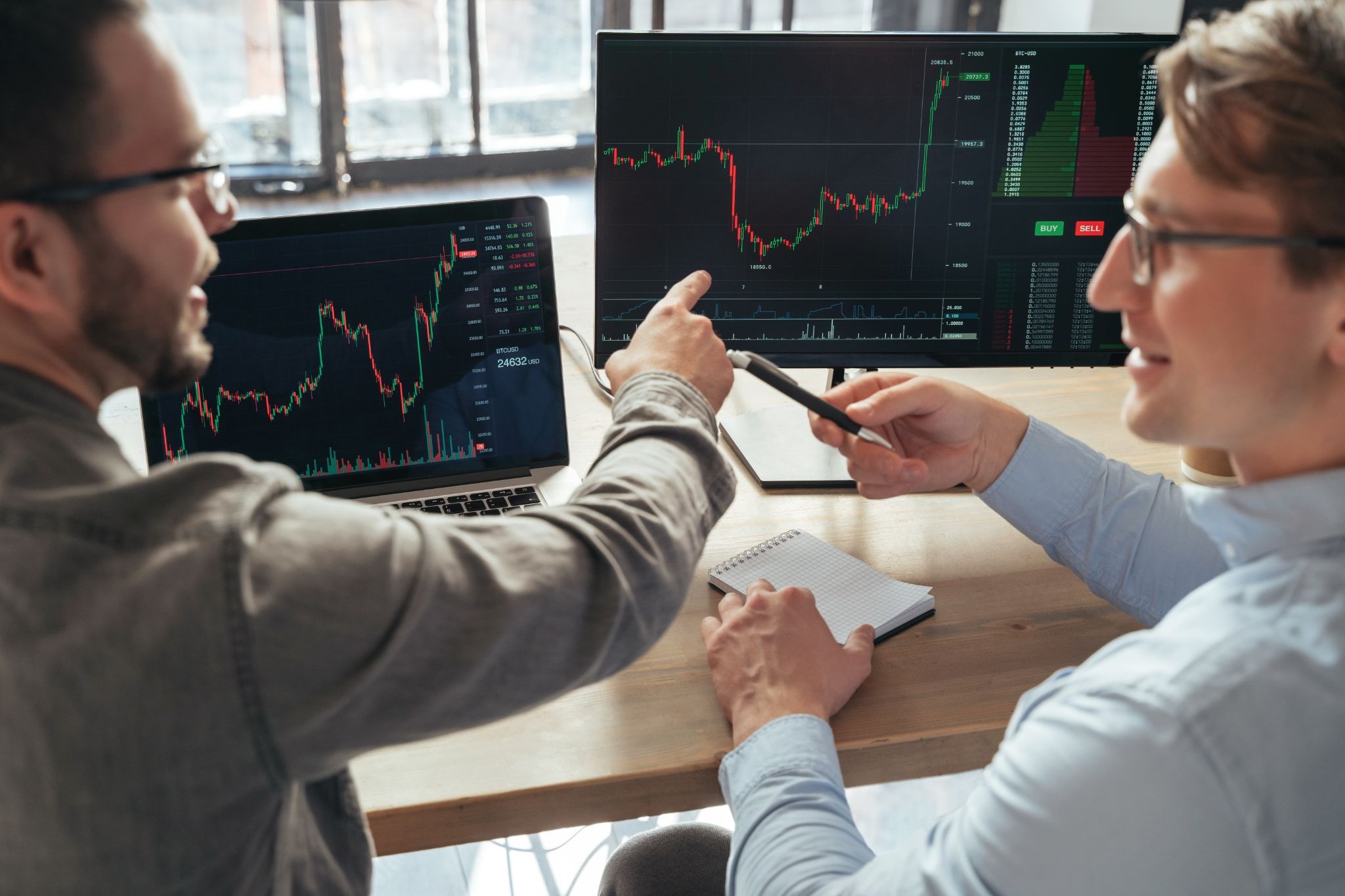
Precious metals such as gold, silver, platinum, and palladium have long attracted investors who want stability and diversification. These assets often move differently from stocks or currencies, which makes them valuable during uncertain times. But to benefit from them, investors must stay aware of price changes. Markets for metals move quickly throughout the day. Prices react to economic news, inflation reports, currency shifts, and global demand. Because of this, tracking Real-time precious metals prices helps investors respond quickly and make better buying or selling decisions.
Today, technology makes price monitoring easier than ever. Investors can follow live charts, receive alerts, and analyze trends from almost anywhere. Understanding how to access and interpret these tools is a key part of modern investing. This guide explains practical ways investors can monitor market prices, the tools they can use, and the factors that influence precious metals markets.
Why Real-Time Metal Prices Matter
Investors rely on current market information to make informed decisions. Precious metals prices can change rapidly due to economic developments, currency fluctuations, or geopolitical events. Even small price movements can significantly affect investment outcomes.
Monitoring Real-time precious metals prices allows investors to act quickly when opportunities arise. For example, a sudden drop in gold prices might present a buying opportunity. Likewise, a rapid price increase may signal the right moment to sell or rebalance a portfolio. Real-time data also helps investors avoid relying on outdated information. Delayed pricing can lead to poor decisions or missed opportunities. By tracking live market updates, investors maintain a clearer understanding of market conditions.
Key Precious Metals Investors Monitor
While many metals exist, only a few dominate the investment market. These metals are widely traded, recognized globally, and supported by liquid markets.
Gold
Gold remains the most popular precious metal for investors. It often serves as a haven during economic uncertainty. Investors track gold prices closely because it responds quickly to inflation expectations, interest rates, and global events. Following Real-time precious metals prices helps investors identify trends in gold markets. Many traders watch intraday charts to understand short-term movements and plan entry points.
Silver
Silver attracts investors who want exposure to both precious metals and industrial demand. Unlike gold, silver has widespread use in electronics, solar panels, and manufacturing. Because industrial demand affects its price, silver can be more volatile. Monitoring Real-time precious metals prices helps investors react to sudden swings driven by supply changes or economic data.
Platinum and Palladium
Platinum and palladium are less commonly discussed but play important roles in industrial production, particularly in automotive catalytic converters. Their prices often reflect changes in vehicle demand and environmental regulations. Investors who trade these metals rely heavily on Real-time precious metals prices to track market momentum and supply disruptions.
Online Financial Platforms for Live Prices
Many investors begin by checking financial websites that publish market data. These platforms provide charts, price histories, and analysis in a simple format. Popular financial portals update metal prices continuously during trading hours. They often include technical indicators, historical comparisons, and market commentary. Investors can quickly see whether prices are trending upward or downward.
Using these platforms to watch Real-time precious metals prices allows investors to follow the market without complex trading software. For beginners, these sites offer an accessible way to stay informed and build market awareness.
Mobile Apps for Price Tracking
Mobile technology has transformed the way investors monitor markets. Dedicated financial apps allow users to track precious metals from their smartphones at any time. Many apps provide customizable dashboards where investors can follow multiple metals simultaneously. Users can add gold, silver, platinum, or palladium to a watchlist and view live price charts throughout the day.
Another advantage is push notifications. Investors can receive alerts when Real-time precious metals prices reach specific levels. This helps them react quickly, even when they are away from their computers. Mobile tools are especially useful for investors who actively trade or manage diversified portfolios. They bring market data directly to the investor’s pocket.
Commodity Exchanges and Market Data Sources
Commodity exchanges play a central role in determining market prices. These exchanges facilitate trading contracts that represent precious metals, and their activity influences global pricing.
Major Global Exchanges
Large exchanges handle the majority of precious metals trading worldwide. They publish price data that many financial platforms rely on. Investors often follow these exchanges to understand the source of price movements.
Monitoring exchange updates helps investors verify Real-time precious metals prices and see how trading volumes affect the market. High trading activity often signals stronger market momentum.
Spot Prices vs Futures Prices
Investors frequently encounter two types of metal prices: spot prices and futures prices. Spot prices represent the current market value for immediate delivery. Futures prices represent agreements to buy or sell metals at a future date.
Understanding the difference is essential when tracking Real-time precious metals prices. Futures markets can sometimes predict future price direction, while spot prices reflect immediate supply and demand.
Using Trading Platforms and Brokerage Tools
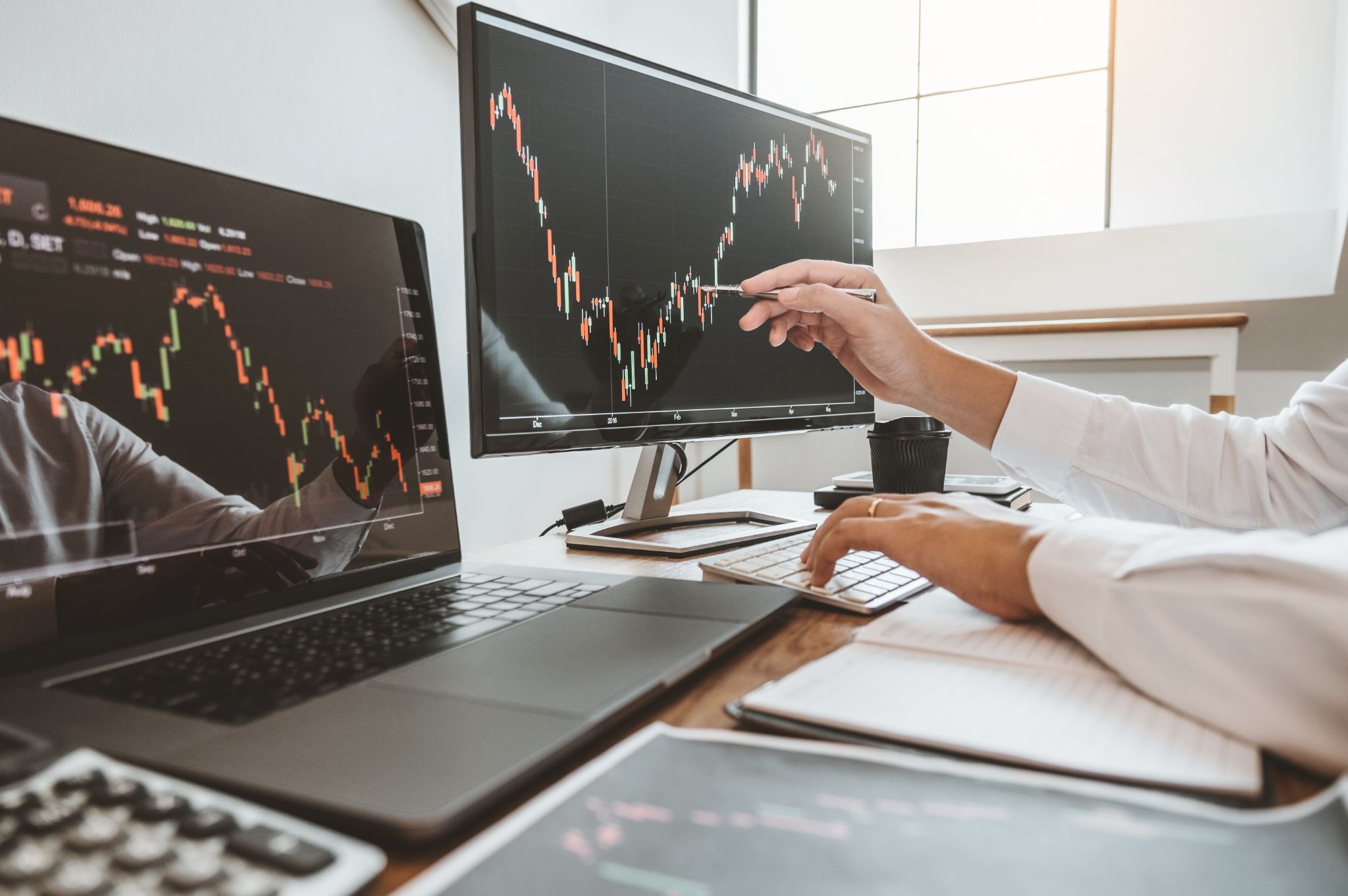
Many investors access precious metals markets through online brokers. These platforms offer advanced tools that help users monitor and analyze price movements. Trading dashboards typically include live charts, historical data, and technical indicators. Investors can view candlestick patterns, moving averages, and volume trends. These tools provide deeper insight into Real-time precious metals prices and potential market direction.
Brokerage platforms also allow investors to place trades instantly. When prices reach a desired level, users can buy or sell metals or related assets without switching platforms. This integration simplifies decision-making and execution. For active traders, brokerage platforms often become the primary source of market data.
Price Alerts and Notification Tools
Price alerts are one of the most practical features for investors who track markets regularly. Instead of constantly checking charts, investors can set specific price levels that trigger notifications. For example, an investor may want to buy gold if it falls below a certain threshold. Once Real-time precious metals prices reach that level, the system sends an alert. This approach saves time and reduces the need for constant monitoring.
Alerts can also signal upward movements. Investors who plan to sell at higher prices can receive notifications when their target is reached. This ensures they never miss an opportunity due to delayed information. Many financial apps, brokerage platforms, and market websites now include customizable alert systems.
Understanding Factors That Move Metal Prices
Tracking prices is only part of the investment process. Investors also need to understand what drives those price movements. Economic indicators often influence precious metals markets. Inflation reports, interest rate changes, and currency fluctuations can cause immediate reactions in Real-time precious metals prices.
Global events also play a role. Political instability, trade conflicts, or financial crises often increase demand for safe-haven assets like gold. When uncertainty rises, precious metals frequently gain attention from investors. Supply and demand factors matter as well. Mining production levels, industrial usage, and central bank purchases can shift market balance. Investors who follow these factors gain deeper insight into price changes.
Tips for Monitoring Prices Effectively
Successful investors develop consistent habits when following markets. Simply checking prices occasionally may not provide enough insight to make informed decisions.
One effective strategy is to combine multiple sources of information. Investors might use financial websites for quick updates, mobile apps for alerts, and brokerage platforms for detailed charts. This layered approach provides a clearer picture of Real-time precious metals prices.
Another helpful practice is reviewing price history alongside current data. Short-term fluctuations may look dramatic, but long-term trends reveal broader market patterns. Investors who understand these trends are better prepared to interpret sudden price changes. Consistency also matters. Regular monitoring helps investors recognize patterns and react with confidence rather than emotion.
Conclusion
Precious metals remain an important part of many investment portfolios. Their ability to act as a hedge against inflation and economic uncertainty makes them attractive to both new and experienced investors. However, the value of these assets can shift quickly. Monitoring Real-time precious metals prices allows investors to stay informed, respond to market changes, and identify opportunities as they appear.
Today’s technology makes this process easier than ever. Financial websites, mobile apps, commodity exchanges, and brokerage platforms all provide tools that deliver live price data. By combining these resources with a solid understanding of market drivers, investors can make smarter and more confident decisions.