
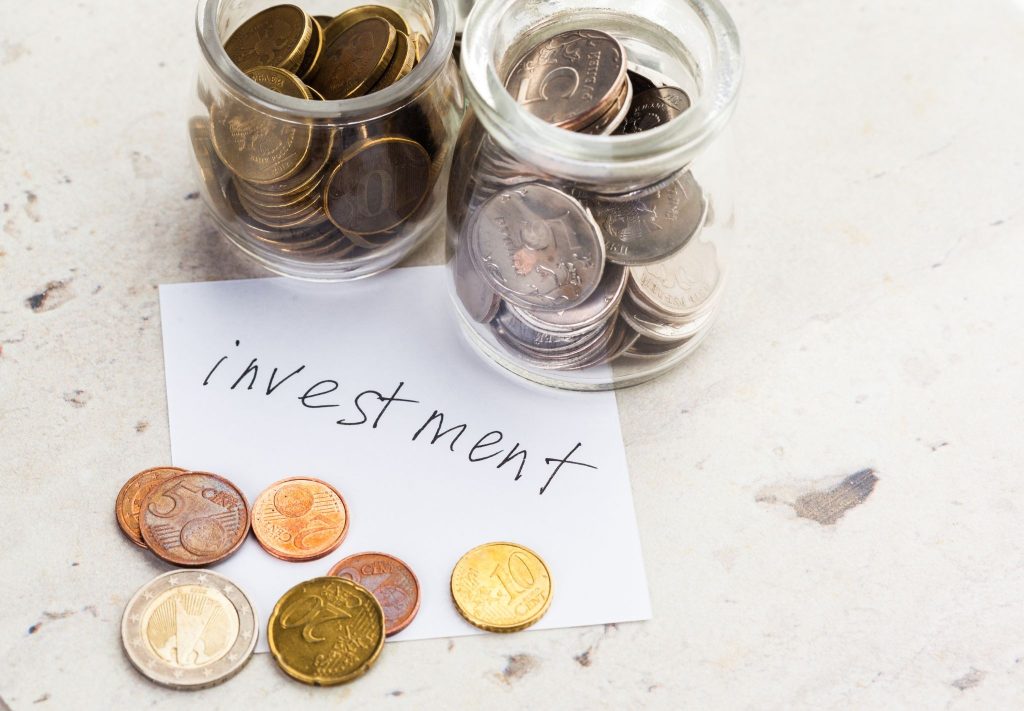
There is a widespread belief that investing is something you do once you have a comfortable cushion of money sitting in the bank. Most people tell themselves they will start when they earn more, save more, or feel more ready. The truth is, that moment rarely comes on its own. Investing with limited capital is not just possible; it is how most ordinary people actually begin building wealth. The gap between knowing that and taking action is what this post is here to close.
If you already understand the basics of budgeting and saving, you are further along than you think. This is not a post about what compound interest is. It is about what to actually do next, starting with whatever you have right now.
The Real Barrier Is Not Money, It Is Mindset
The biggest thing holding most beginners back is not their bank balance. It is the story they keep telling themselves about their bank balance. “I only have $50. What is the point?” The point is that $50 invested today is worth more than $500 invested five years from now, thanks to the way compounding works over time. Every month you wait is a month of potential growth you hand back.
There is also a trap called analysis paralysis. You read one article, then another, then a Reddit thread, then a YouTube comment section, and suddenly, you are more confused than when you started. Research has a point of diminishing returns. At some stage, the most productive thing you can do is stop preparing and start doing. Investing with limited capital does not require a perfect strategy. It requires a consistent one.
Setting the Financial Foundation Before You Invest
Before you put a single dollar into any market, two things need to be in place. Skipping these steps does not make you bold. It makes you vulnerable.
Emergency Fund First
An emergency fund is not optional. If you invest every spare dollar and then your car breaks down or you lose a week of work, you will be forced to pull money out of your investments at whatever price the market happens to be that day. That could mean selling at a loss. A basic cushion of one to three months of living expenses gives your investments room to breathe. It means you never have to touch them at the wrong time.
Clearing High-Interest Debt
If you are carrying credit card debt at 20% interest and investing in something returning 8% annually, you are losing ground every single month. Paying off high-interest debt first is itself a form of investing, one with a guaranteed return. Once that debt is cleared, the money you were spending on interest payments can go directly into building your portfolio instead.
Where to Actually Put Your Money When Capital Is Tight
This is the section most beginners are really looking for, and the good news is that the options have never been more accessible.
Fractional Shares
Not long ago, buying a share of Amazon or Google meant having hundreds or thousands of dollars ready. That is no longer the case. Platforms like Fidelity, Schwab, and Robinhood now allow you to buy fractional shares, meaning you can own a small piece of a major company for as little as one dollar. This makes investing with limited capital genuinely practical in a way it was not a decade ago.
Index Funds and ETFs
For most beginners with a tight budget, low-cost index funds and ETFs are the smartest starting point. They give you instant diversification across dozens or hundreds of companies without requiring you to research individual stocks. The expense ratios are low, many have no minimum investment requirement, and they remove the pressure of trying to pick winners. You are simply buying a slice of the broader market and letting time do the work.
Micro-Investing Apps
Apps like Acorns and Stash were built specifically for people who are just getting started. Acorns, for example, rounds up your everyday purchases to the nearest dollar and invests the difference automatically. It is a painless way to build the habit before you have a significant amount to invest. One thing to watch is the fee structure — a $1 monthly fee on a $50 balance is a 24% annual cost, so these apps make more sense as your balance grows.
Employer-Sponsored Retirement Accounts
If your employer offers a 401k with matching contributions, this should be your first stop before anything else. Employer matching is free money, and there is no investing strategy that beats a 50% or 100% instant return on your contribution. Even putting in 1% to 2% of your income to capture the full match is a move worth making immediately.
How to Build a Simple Investment Strategy on a Small Budget
Having access to the right platforms is only part of the picture. How you invest matters just as much as where you invest.
Dollar-cost averaging is the strategy most suited to anyone investing with limited capital. The idea is simple: invest a fixed amount on a regular schedule, whether the market is up or down. You buy more shares when prices are low and fewer when prices are high, which smooths out your average cost over time. It also removes the emotional temptation to try to time the market, which is something even professionals rarely get right.
Automating your contributions is the practical version of this. Set up a recurring transfer from your checking account to your investment account on payday. When investing happens automatically, it stops being something you have to decide to do. It just happens, like a bill. Over time, this consistency builds more wealth than any single smart decision ever could.
Common Mistakes Small Investors Make
The most expensive mistake new investors make is trying to time the market. They wait for the “right moment” to buy and either miss the opportunity entirely or panic-sell when prices drop. Staying consistent and staying in the market almost always beats trying to be clever about entry points.
Chasing trending stocks or crypto without any clear reason is another trap. It feels exciting in the moment and usually ends with a lesson. If you cannot explain in plain language why you are buying something, that is a sign to slow down. Fees are also something beginners tend to ignore until they see how much they add up. A 1% annual expense ratio on a small balance might look harmless, but over 20 or 30 years, it meaningfully reduces your total return.
How to Gradually Scale Your Investing as Income Grows
The goal of starting small is not to stay small forever. As your income grows, your investing should grow with it. One rule that works well is to direct a portion of every raise or income increase straight into investments before your lifestyle has a chance to adjust. This is how people avoid the trap of earning more but saving the same percentage they always did.
As your portfolio grows past the $1,000 to $5,000 range, new options open up. You can start looking at Roth IRAs, which offer tax-free growth on contributions made with after-tax money. REITs, dividend stocks, and bonds become worth considering as ways to diversify beyond index funds. The foundation you build now, through consistent investing with limited capital, is what makes all of that possible later.
The Long Game: Why Starting Small Still Wins
Here is a number worth sitting with: $50 a month invested at an 8% average annual return over 30 years grows to more than $74,000. Your total contributions over that time would be $18,000. The rest is growth. That is not a trick or an exception. That is just how time and consistency work together.
Starting small is not a compromise. It is the foundation. The investors who build real wealth are rarely the ones who wait for the perfect conditions. They are the ones who started with whatever they had and kept going.
Frequently Asked Questions
Q1. How much money do I need to start investing with limited capital as a complete beginner?
You can start with as little as $1 using fractional shares or micro-investing apps. The amount matters less than starting consistently and building the habit of regular contributions over time.
Q2. Is it worth investing $50 or $100 a month when my budget is tight?
Absolutely. Investing small amounts regularly through dollar-cost averaging builds real wealth over time. Starting early with modest sums consistently outperforms waiting to invest larger amounts later.
Q3. What is the safest investment option for someone with a small budget?
Low-cost index funds and ETFs are generally the safest and most reliable choice. They offer built-in diversification, low fees, and steady long-term growth without requiring individual stock research or expertise.