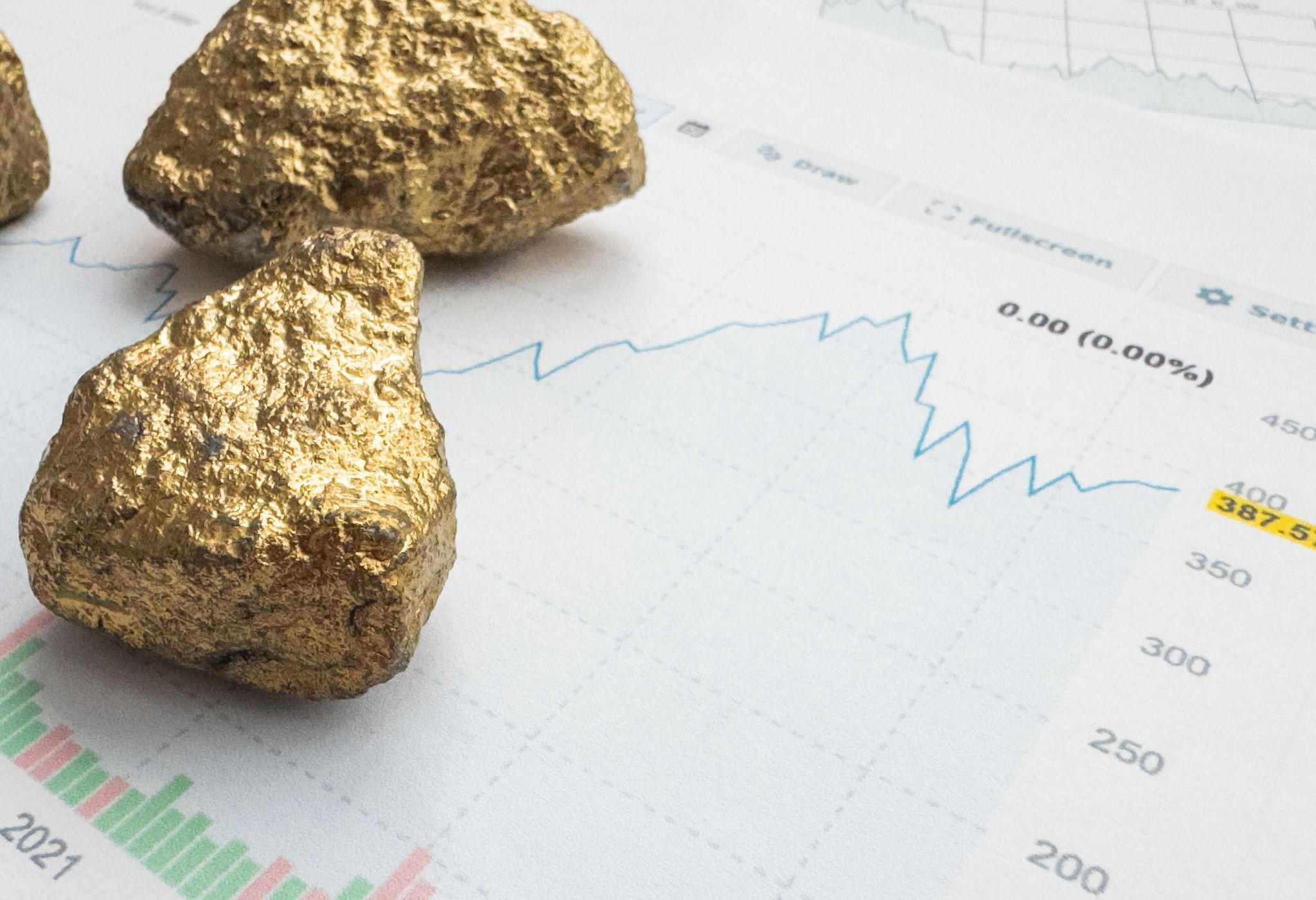
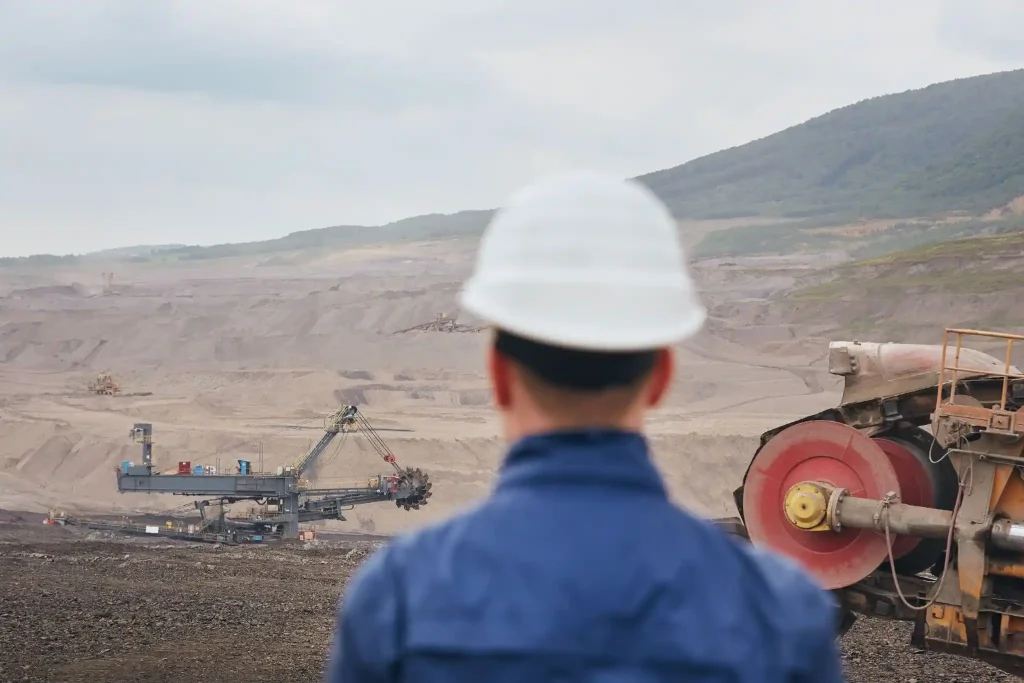
Mining stocks are closely tied to one of the most fundamental forces in the global economy: commodity demand. Whether it’s gold, copper, iron ore, lithium, or coal, the performance of mining companies depends heavily on how much of these resources the world needs at any given time.
Unlike many other industries, mining businesses do not control the price of what they sell. Instead, they operate within global markets where supply and demand determine commodity prices. As a result, even well-managed mining companies can experience major swings in stock performance based on external economic conditions.
This is why understanding commodity demand is essential for anyone investing in or analyzing mining stocks. Demand affects pricing, profitability, investor sentiment, and long-term growth potential.
In this guide, we’ll break down how commodity demand works, why it matters so much, and how it directly influences mining stock performance across different market conditions.
Why Commodity Demand Matters More Than People Think
Many investors focus on company performance, management quality, production levels, or financial reports. While these are important, they often overlook the bigger driver: demand for the underlying commodity.
Mining companies are fundamentally price-takers. This means:
-
They sell commodities at market prices
-
They cannot easily control revenue per unit
-
Their profitability depends on price fluctuations
If demand for a commodity rises, prices usually increase. This leads to higher revenue and improved margins for mining companies.
If demand falls, prices drop. Even efficient companies may struggle to remain profitable.
Commodity demand influences:
-
Revenue growth
-
Profit margins
-
Expansion decisions
-
Stock valuations
-
Investor confidence
This is why mining stocks are often considered cyclical, they rise and fall with commodity demand cycles.
The Link Between Commodity Demand and Prices
To understand mining stocks, you must first understand how commodity demand affects prices.
How Demand Drives Price Movement
When demand increases:
-
Buyers compete for limited supply
-
Prices rise
-
Mining companies earn more per unit
When demand decreases:
-
Excess supply builds up
-
Prices fall
-
Profit margins shrink
For example:
-
Rising infrastructure projects increase demand for copper
-
Electric vehicle production increases demand for lithium
-
Economic slowdowns reduce demand for steel and iron ore
Mining companies benefit or suffer depending on where the market is in this cycle.
The Best Time to Watch Commodity Demand: Early Signals
The most effective time to analyze commodity demand is before major price movements happen. Early signals can help investors anticipate mining stock performance.
At this stage, key questions include:
-
Is global demand increasing or decreasing?
-
Are major economies expanding or slowing down?
-
Are new industries driving demand (e.g., clean energy)?
-
Is supply keeping up with demand?
Understanding these trends early allows investors to position themselves before stock prices fully react.
Stage 1: Commodity Demand Before Major Economic Shifts
One of the smartest times to evaluate commodity demand is before major economic changes occur.
Global economic activity plays a huge role in demand. For example:
-
Economic growth increases demand for construction materials
-
Industrial expansion boosts demand for metals
-
Energy transitions increase demand for specific resources
At this stage, investors often look at indicators such as:
-
GDP growth
-
Manufacturing output
-
Infrastructure spending
-
Global trade activity
If demand is expected to rise, mining stocks often begin to attract attention, even before prices fully increase.
Stage 2: Commodity Demand During Price Growth
Once demand begins to rise and prices start increasing, mining stocks typically respond strongly.
Why This Stage Matters
At this point:
-
Commodity prices increase
-
Revenue per unit rises
-
Profit margins expand
-
Investor confidence grows
Mining companies may also:
-
Increase production
-
Expand operations
-
Invest in new projects
Stock prices often rise faster than commodity prices because investors anticipate future growth.
Stage 3: Commodity Demand and Peak Cycles
At peak demand levels, commodity prices often reach their highest points.
This is when:
-
Mining companies report strong earnings
-
Investor interest is high
-
Stock prices may be overvalued
However, this stage also carries risk.
Demand may begin to slow, and supply may increase due to earlier investments. When this happens, prices can reverse.
Understanding this stage is critical because:
-
Buying at peak demand can lead to losses
-
Market sentiment may shift quickly
Stage 4: Commodity Demand Decline and Market Correction
After peak demand, markets often enter a correction phase.
What Happens During This Stage
-
Demand slows down
-
Commodity prices fall
-
Mining revenues decline
-
Profit margins shrink
Mining companies may:
-
Reduce production
-
Delay expansion projects
-
Cut costs
Stock prices often drop sharply during this phase, sometimes more than commodity prices.
Stage 5: Commodity Demand Recovery
Eventually, demand begins to recover as economic conditions improve.
This stage is important because:
-
Commodity prices stabilize
-
Mining companies regain profitability
-
Investor confidence returns
Early investors who recognize recovery trends often benefit the most.
How Different Commodities Affect Mining Stocks Differently
Not all commodities behave the same way.
Industrial Metals (e.g., Copper, Iron Ore)
Highly sensitive to economic growth and infrastructure development.
Precious Metals (e.g., Gold)
Often move opposite to economic conditions. Gold demand increases during uncertainty.
Energy Commodities (e.g., Coal, Uranium)
Driven by energy policies and global demand.
Future-Focused Commodities (e.g., Lithium, Nickel)
Driven by emerging industries like electric vehicles and renewable energy.
Each commodity has its own demand drivers, which directly impact mining stock performance.
The Role of Global Events in Commodity Demand
Commodity demand is heavily influenced by global events such as:
-
Economic recessions
-
Political instability
-
Trade policies
-
Technological advancements
For example:
-
A global recession reduces demand for industrial metals
-
Clean energy policies increase demand for lithium and copper
-
Supply chain disruptions can temporarily boost prices
Mining stocks react quickly to these changes.
Why Investor Sentiment Amplifies Price Movements
Investor behavior plays a major role in mining stock performance.
When demand is rising:
-
Investors buy aggressively
-
Stock prices increase rapidly
When demand is falling:
-
Investors sell quickly
-
Prices drop sharply
This creates volatility, making mining stocks more sensitive than many other sectors.
Can Commodity Demand Be Useful During Investment Decisions Too?
Yes, absolutely. Commodity demand is not just a background factor, it’s a core decision-making tool.
How It Helps Investors
It allows investors to:
-
Identify growth opportunities
-
Avoid overvalued stocks
-
Understand market cycles
-
Time entry and exit points
Instead of focusing only on company performance, understanding demand provides a broader perspective.
Why Relying Only on Company Performance Can Lead to Mistakes
Many investors focus only on:
-
Earnings reports
-
Production levels
-
Management decisions
While important, these factors do not tell the full story.
Common mistakes include:
-
Investing during peak demand cycles
-
Ignoring global demand trends
-
Overestimating company control over pricing
Commodity demand often has a bigger impact than internal company factors.
How to Use Commodity Demand Without Feeling Overwhelmed
Understanding commodity markets can seem complex, but it doesn’t have to be.
Best Way to Analyze Demand Efficiently
1. Focus on Key Indicators
Pay attention to:
-
Economic growth trends
-
Industry demand (e.g., construction, EVs)
-
Supply shortages or surpluses
2. Follow Major Commodities
Instead of tracking everything, focus on a few key commodities relevant to your investments.
3. Understand Market Cycles
Recognize where the market is:
-
Growth phase
-
Peak phase
-
Decline phase
-
Recovery phase
4. Combine Data with Market Trends
Use both:
-
Economic data
-
Market sentiment
This gives a clearer picture.
What Makes Commodity Demand a Powerful Indicator?
Commodity demand is powerful because it reflects real-world economic activity.
It shows:
-
How industries are performing
-
Where growth is happening
-
Which sectors are expanding
Unlike short-term market noise, demand trends often indicate long-term opportunities.
So, How Does Commodity Demand Affect Mining Stock Performance?
The short answer is: directly and significantly.
Commodity demand influences:
-
Pricing
-
Revenue
-
Profitability
-
Investor behavior
-
Stock valuation
Mining stocks rise when demand is strong and fall when demand weakens.
Understanding this relationship helps investors make more informed decisions.
FAQs
1. Why are mining stocks so sensitive to commodity demand?
Mining stocks are sensitive because companies depend on selling commodities at market prices. When demand changes, prices shift, directly impacting revenue and profitability. Since companies cannot control pricing, even small demand changes can lead to significant stock movements.
2. Can mining stocks perform well when demand is low?
It is possible but rare. Some companies with low production costs may remain profitable, but overall performance usually declines when demand is weak. Investors typically prefer mining stocks during periods of strong or growing demand.
3. How can beginners track commodity demand easily?
Beginners can follow basic indicators such as global economic growth, industry trends, and commodity price movements. Focusing on a few key commodities and understanding simple supply-demand principles can make analysis much easier.
Final Thoughts
Commodity demand is one of the most important factors influencing mining stock performance. It drives pricing, shapes market cycles, and determines profitability.
By understanding how demand works and when it changes, investors can make smarter decisions, avoid common mistakes, and identify opportunities earlier.
Rather than focusing only on company-level data, looking at the bigger picture of global demand provides a clearer and more strategic approach to investing in mining stocks.